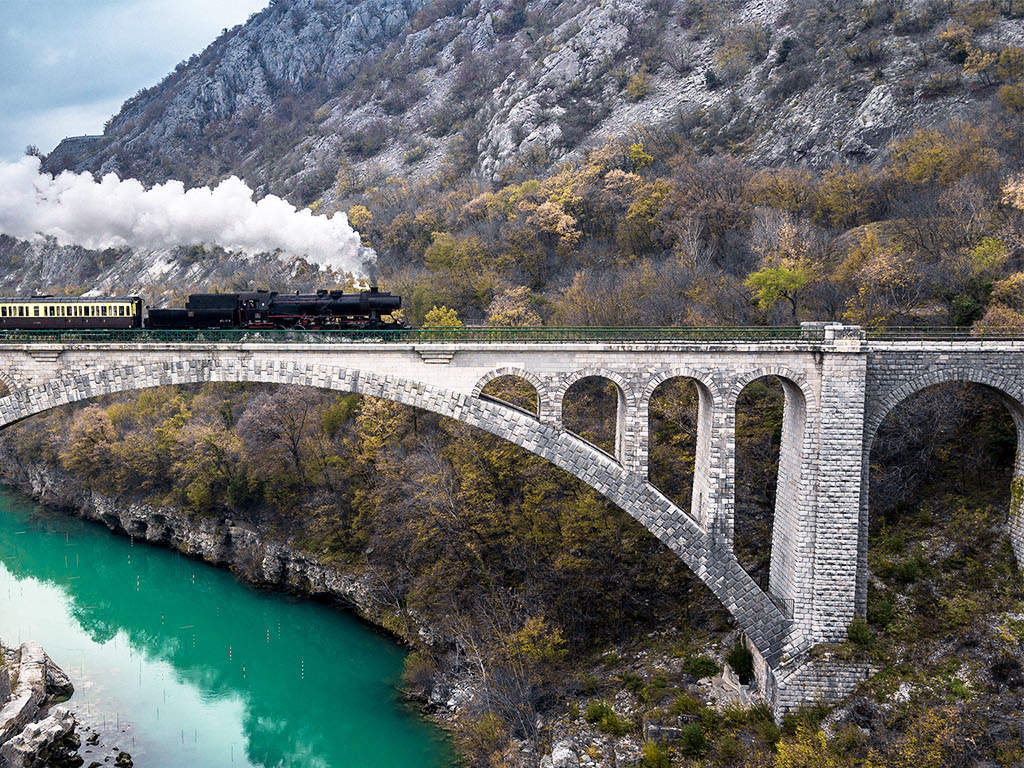

Windows
How to look after your window seals
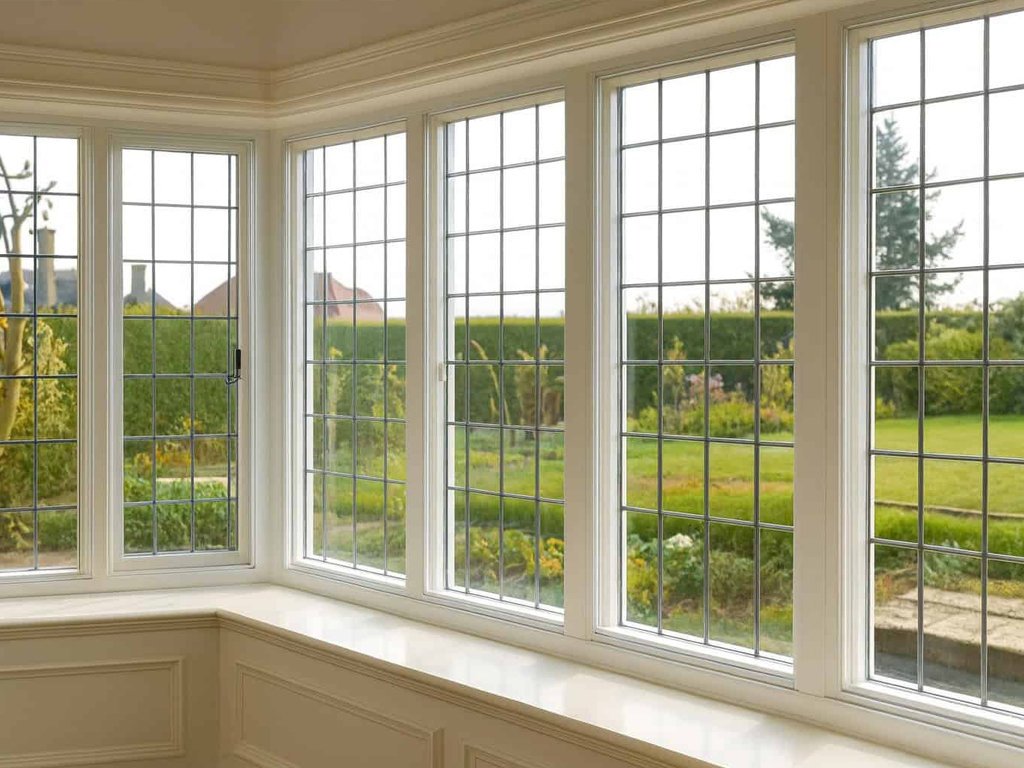
Learn how to prevent draughts, condensation and heat loss by maintaining and replacing worn and old window seals.
Explore articles covering bridge design, construction, inspection, history and maintenance.
Each guide provides clear, practical information for students and industry professionals.
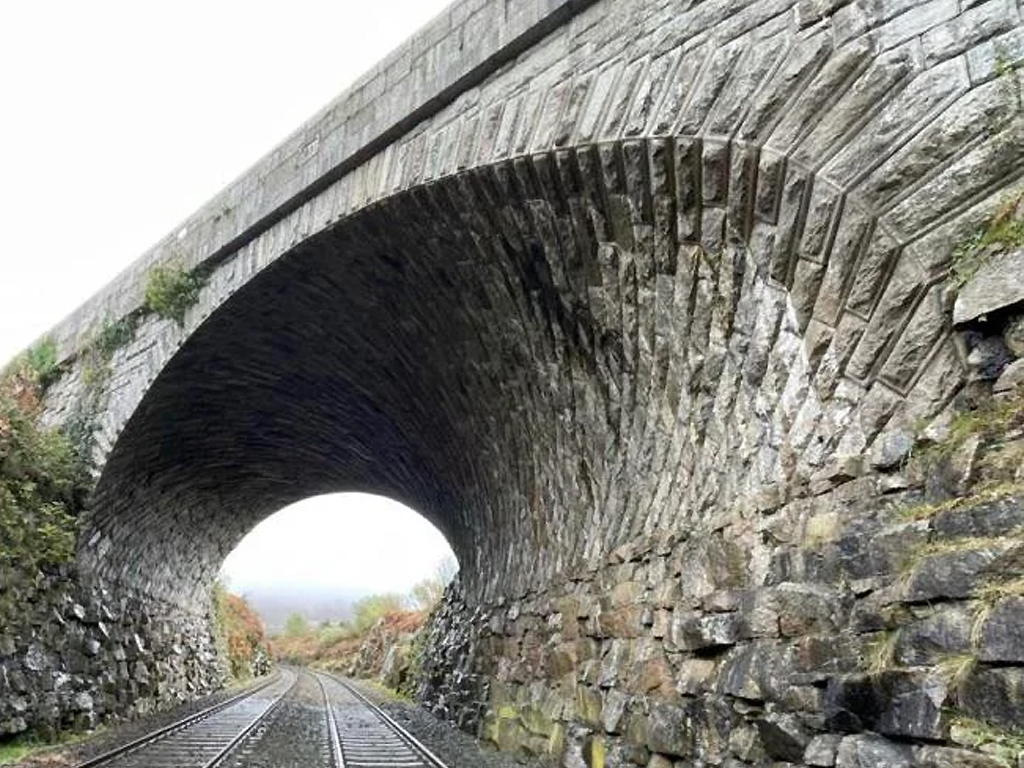
Skew bridges are commonly used when site conditions do not allow a bridge to cross an obstacle at right angles. They are often found at highway interchanges, railway crossings, and urban locations where roads intersect obliquely.
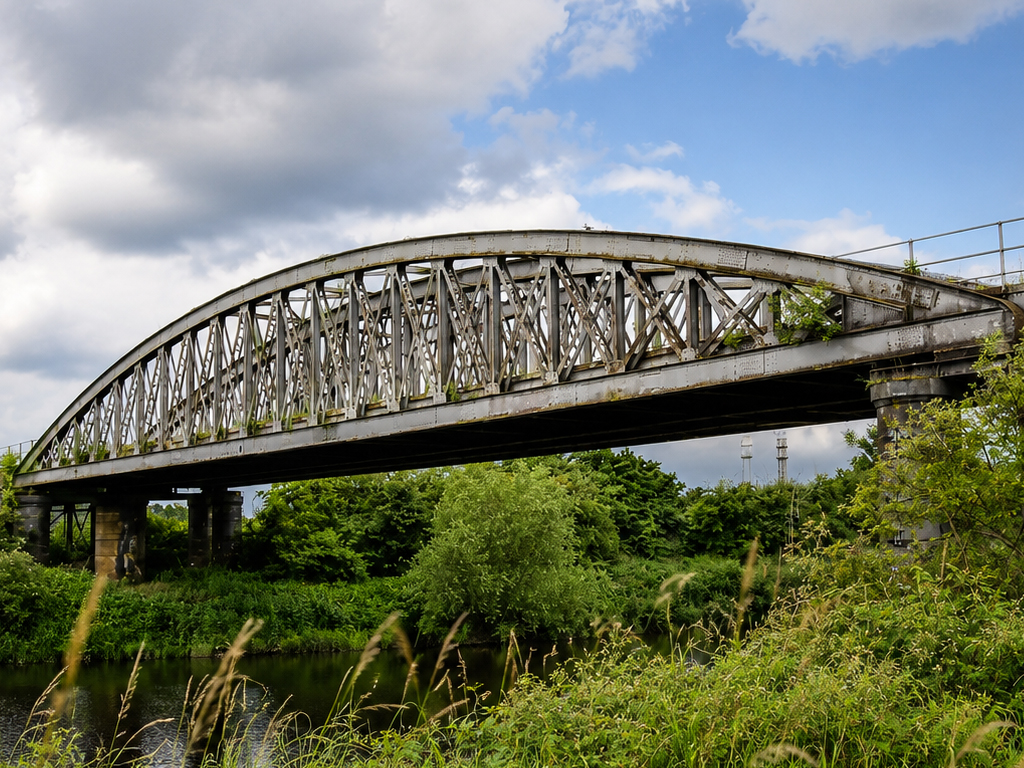
Bowstring girder is a bridge form with a curved arch above the deck connected by vertical hangers, while the deck or lower tie resists the arch’s horizontal thrust. This creates an efficient structure commonly used for medium-span bridges.
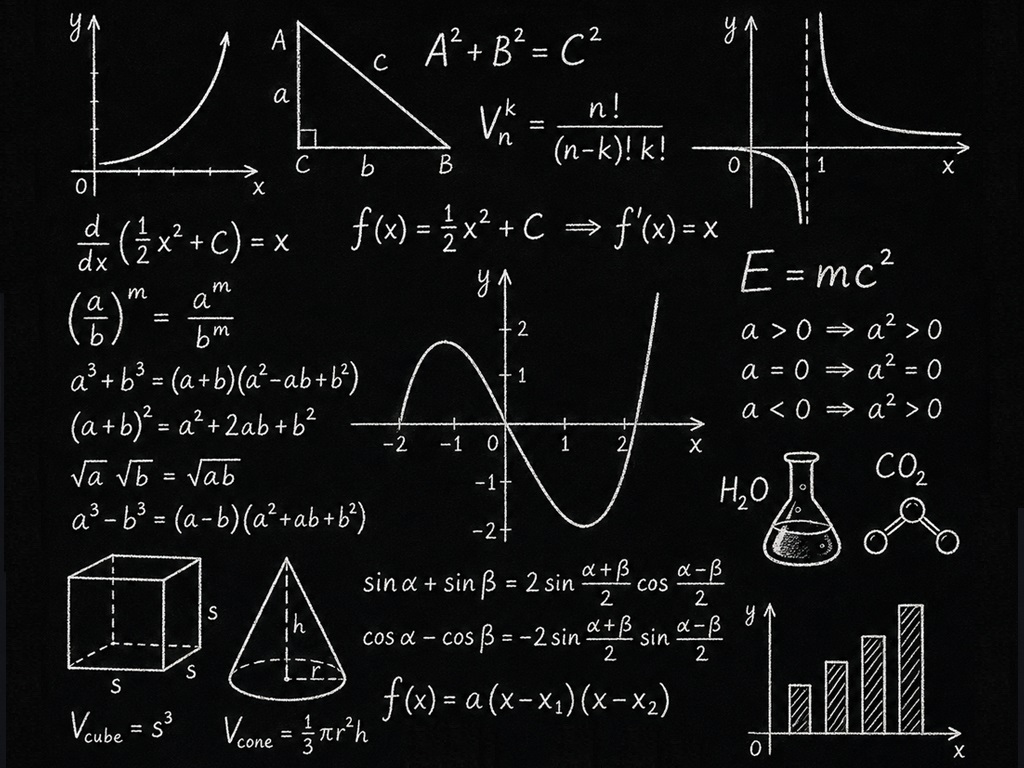
These formulas help engineers determine whether bridge components such as beams, girders, decks, and columns can safely resist applied forces. Understanding these equations is important for both preliminary design and detailed structural analysis.
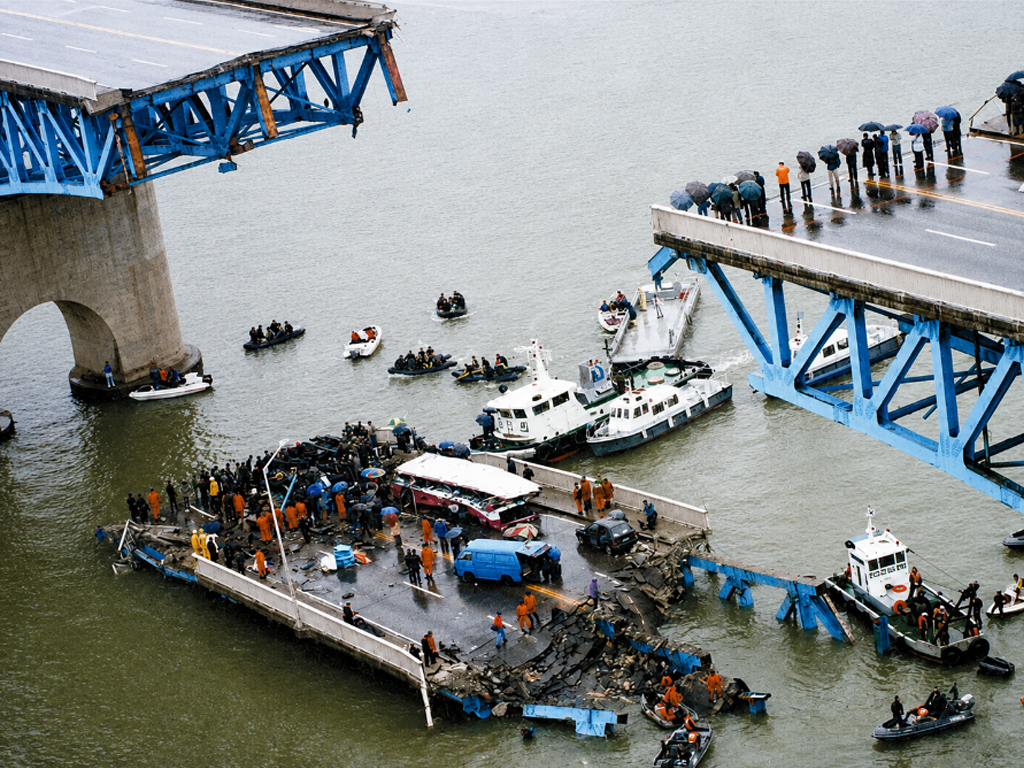
The Seongsu Bridge collapse occurred in Seoul, South Korea in 1994. The collapse became a major symbol of the safety problems associated with South Korea’s rapid infrastructure development at the time.
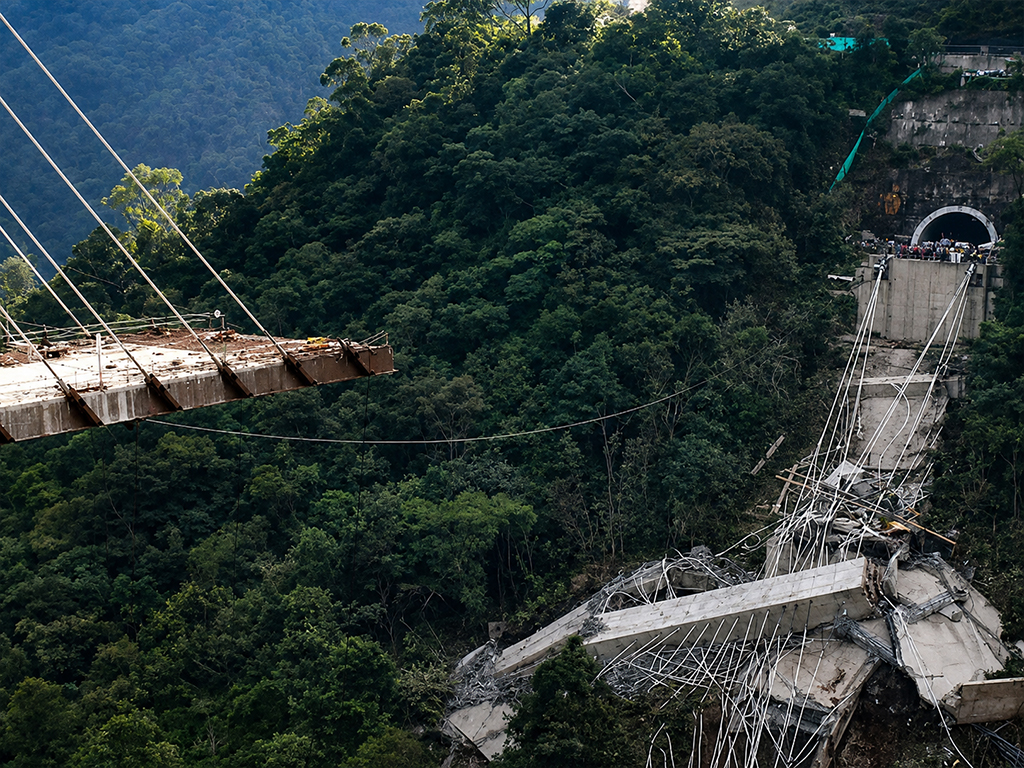
The bridge collapsed in 2018. A summary of the structural pathology of the failure, including its underlying causes and the sequence of events that led to the collapse.
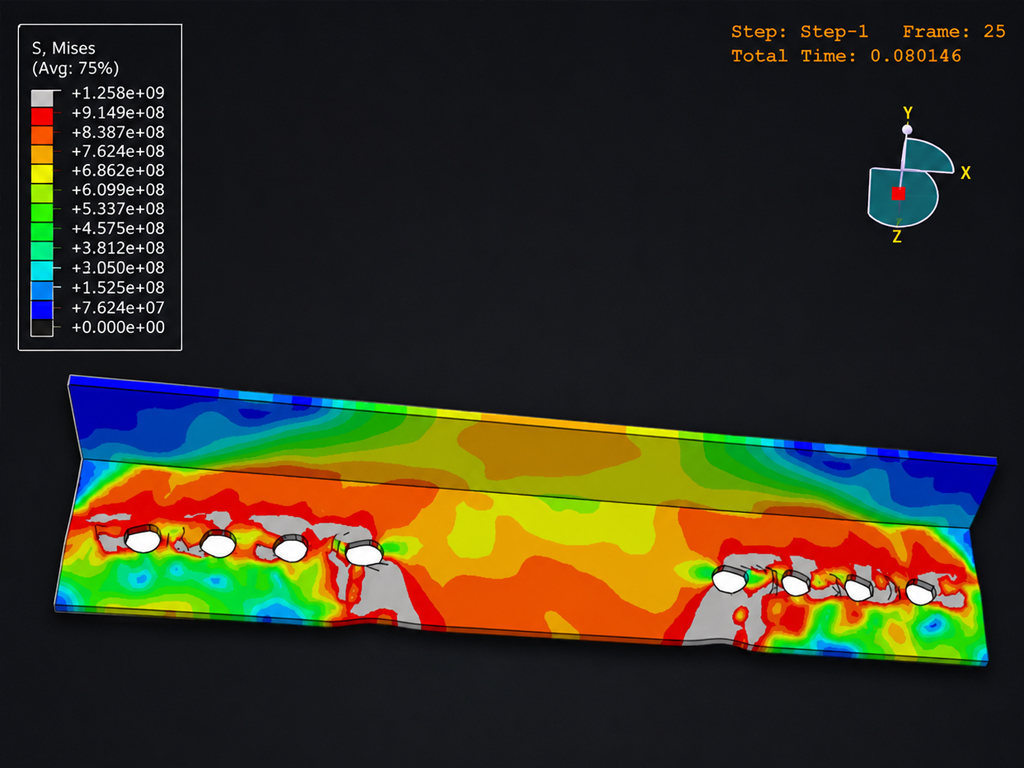
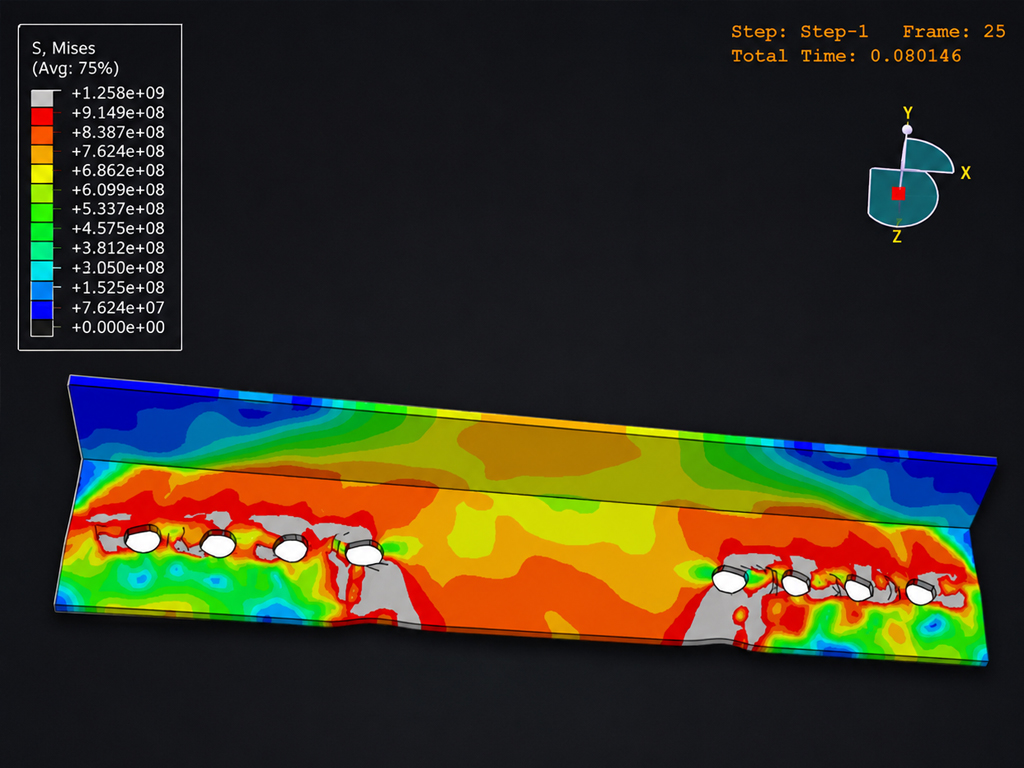
Shear lag is a structural phenomenon in which stress is distributed unevenly across the width of a flange or plate. It commonly occurs in wide-flanged beams.
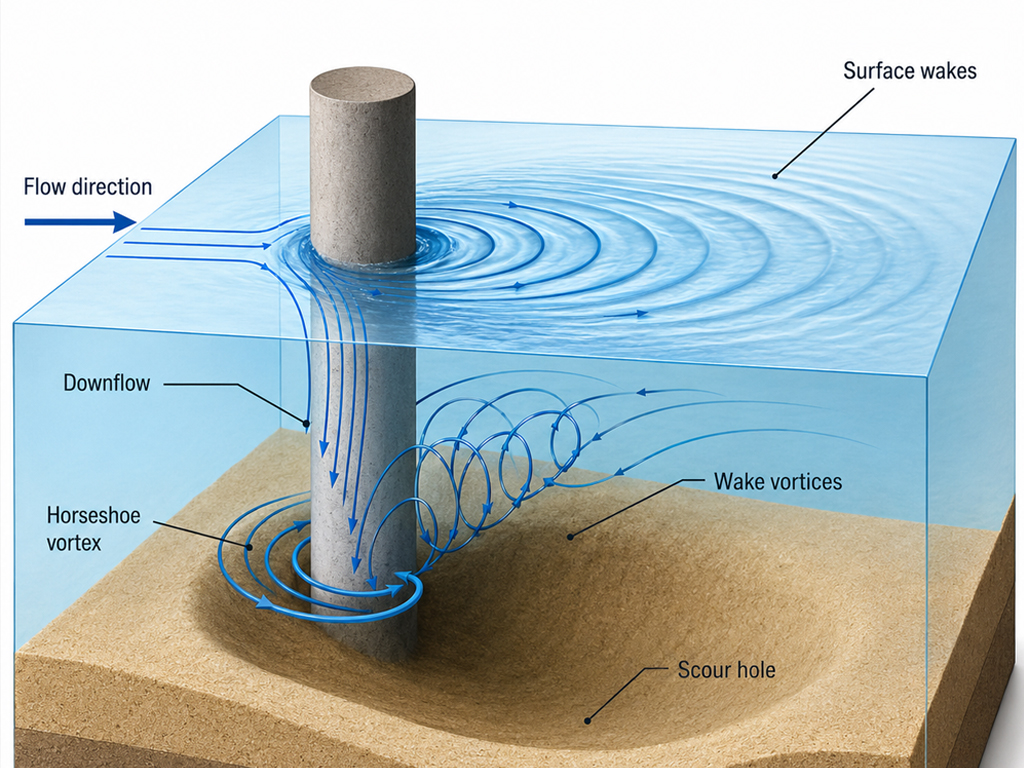
The removal of soil or sediment around bridge piers and abutments caused by flowing water. It can reduce foundation support and stability, making it an important consideration in bridge design, inspection, and maintenance.
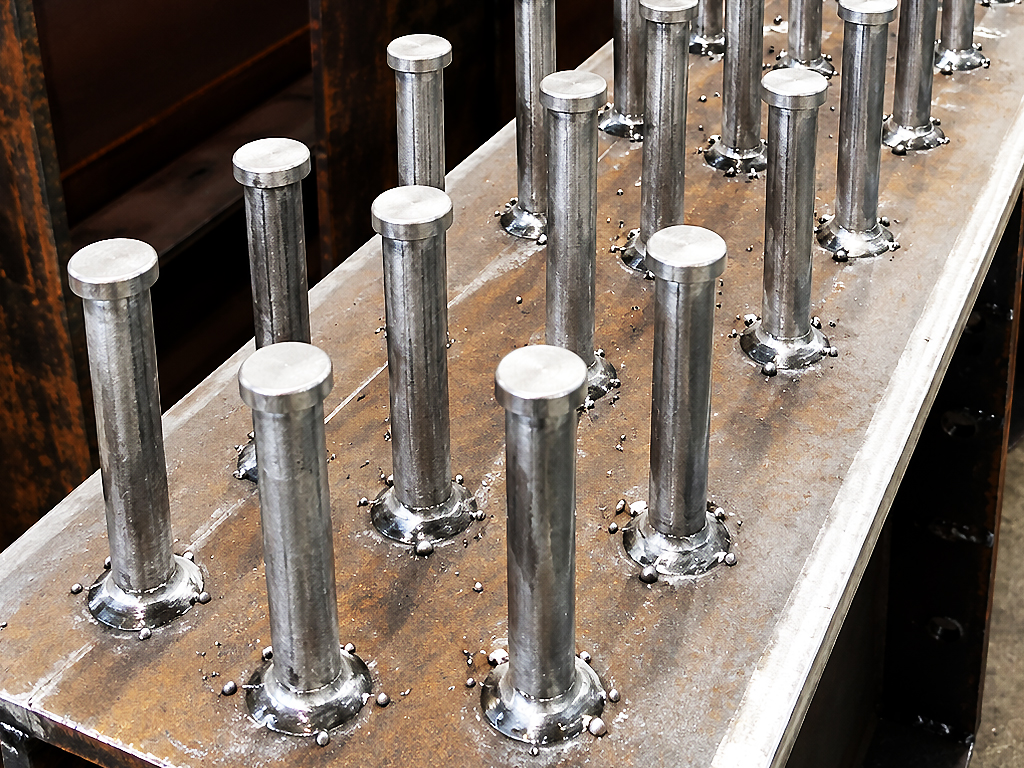
Shear studs are steel connectors welded to steel beams and embedded in concrete. They transfer shear forces and prevent slipping between the steel and concrete, allowing them to act together as a single composite structural section.
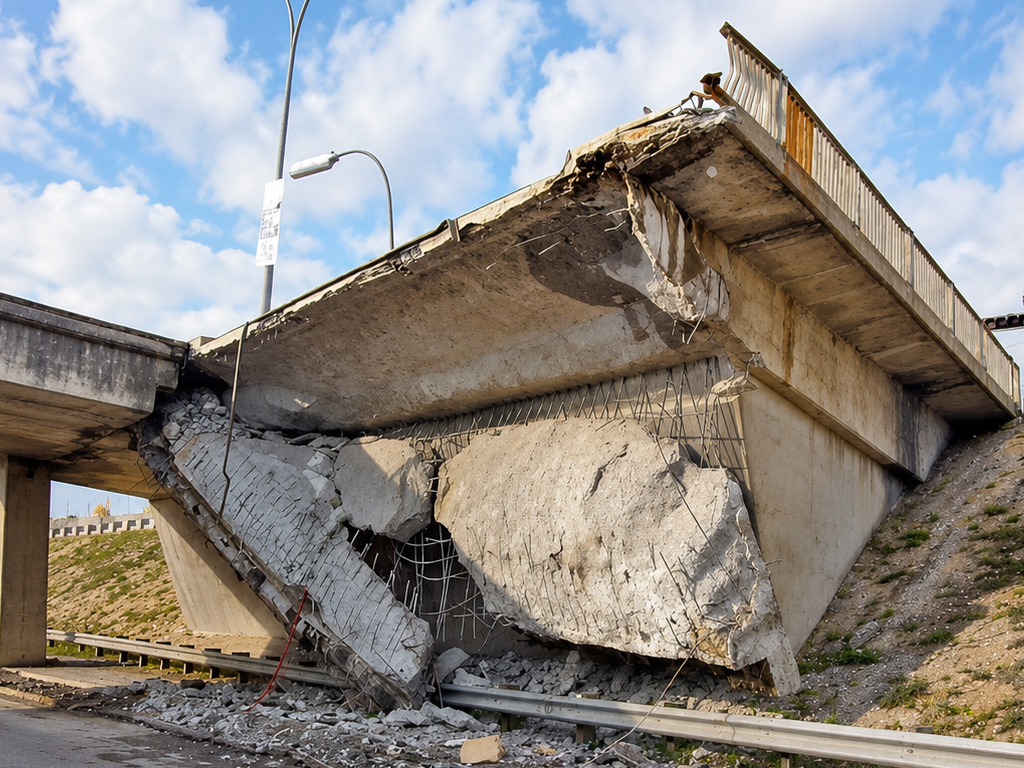
The official inquiry concluded that the failure resulted from a combination of design weaknesses, incorrectly positioned reinforcement and poor quality concrete. The immediate structural failure was a shear failure in the abutment, where cracking developed over time.
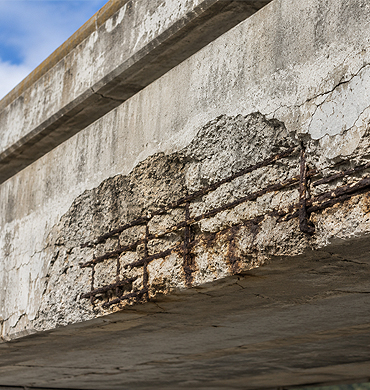
The failure was linked to concerns over structural deterioration, corrosion, maintenance, and design weaknesses. The disaster highlighted the importance of regular bridge inspection and maintenance.
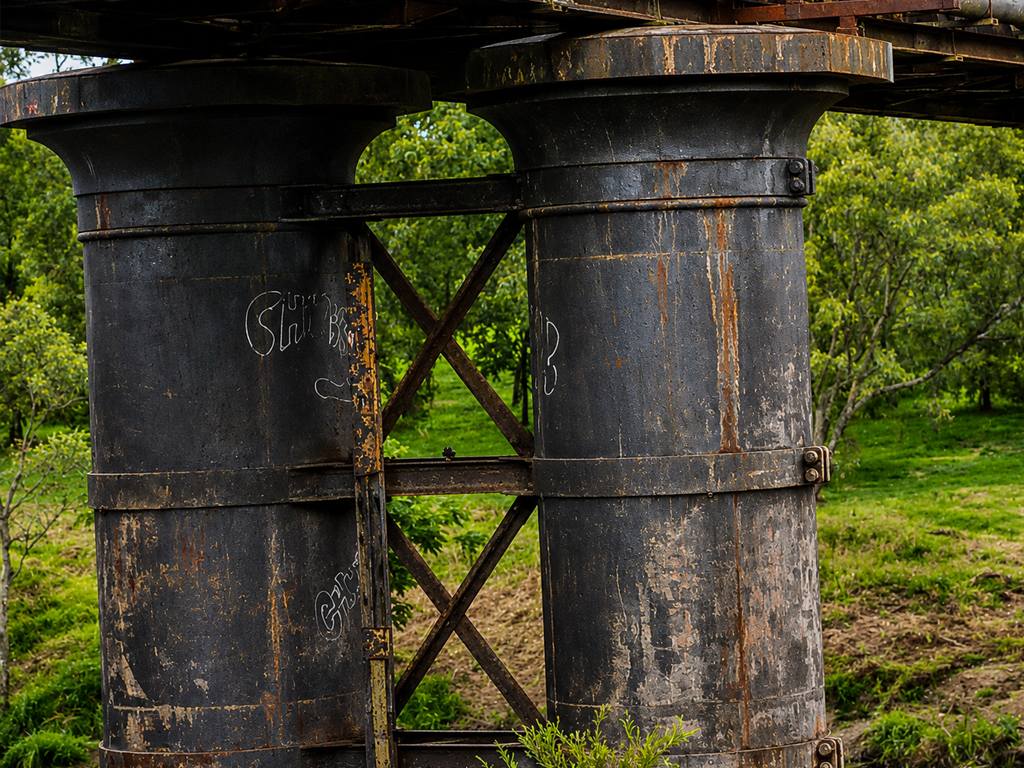
Inspection advice regarding Cast Iron Piers, click for more information about these historical monoliths.
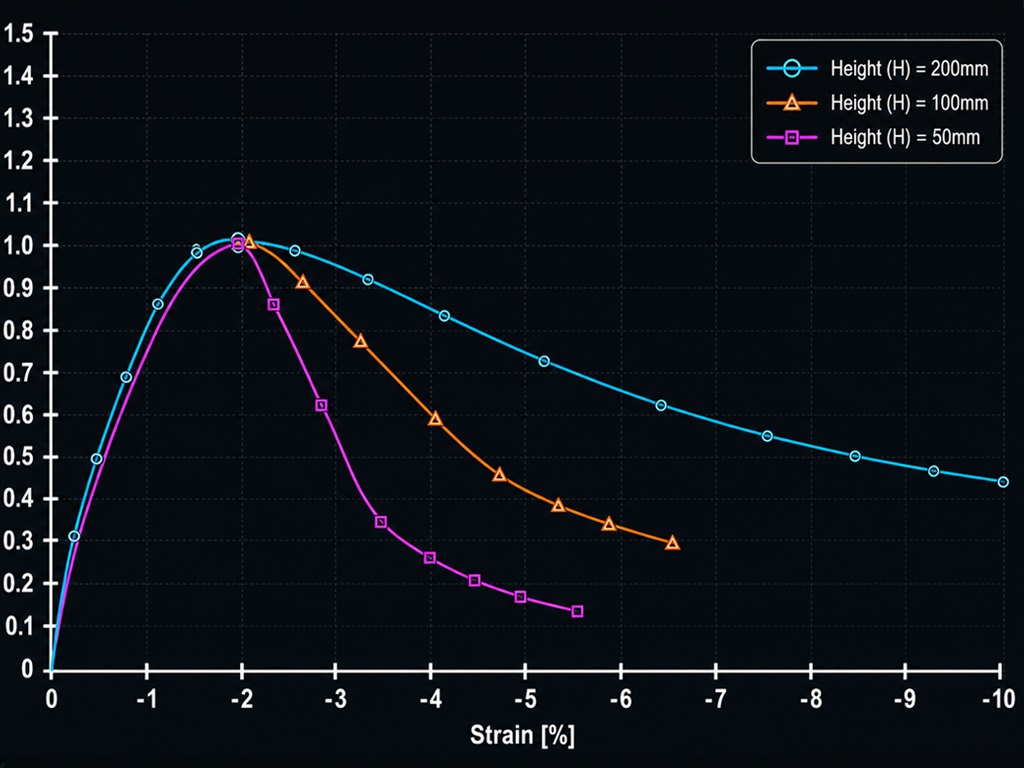
The slenderness ratio compares a column’s effective length with its radius of gyration. A high slenderness ratio indicates a greater risk of buckling rather than failure by crushing.
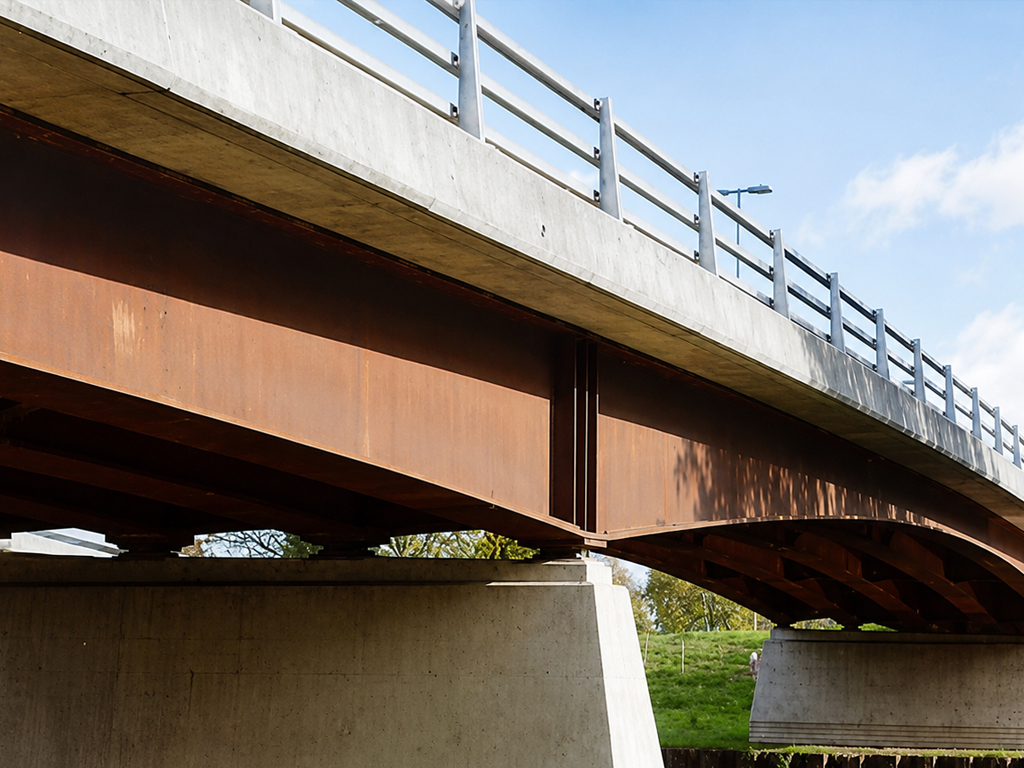
A haunched girder is a beam with increased depth near its supports. This improves strength and stiffness where bending forces are greatest, while reducing material where less strength is needed.
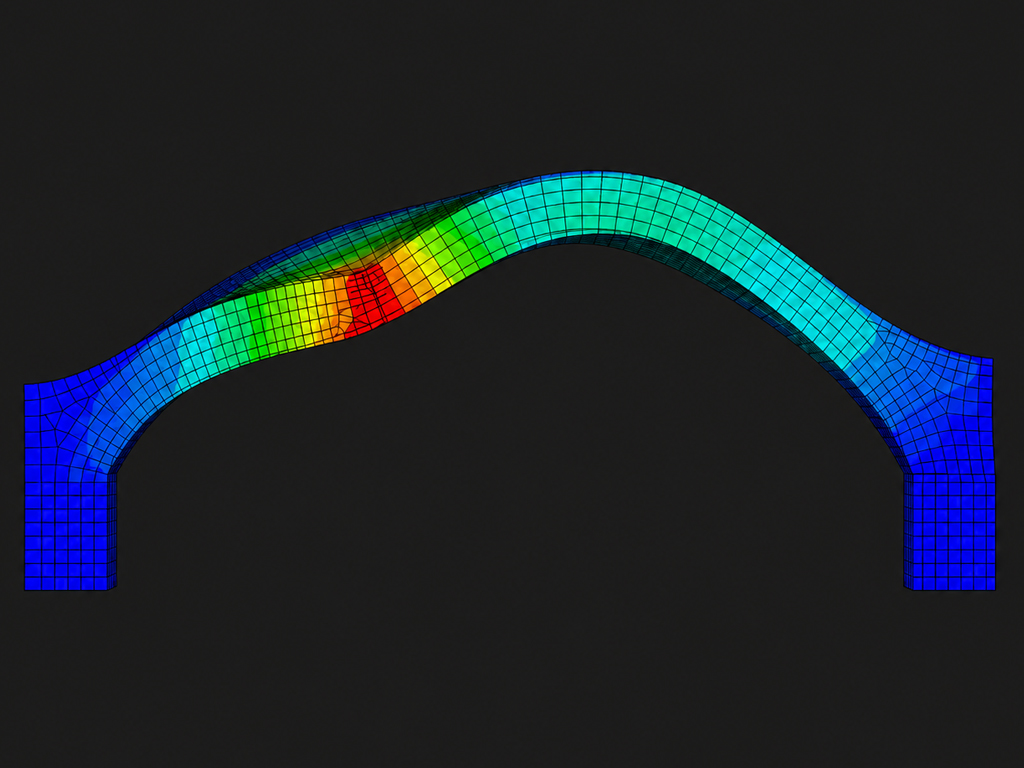
Thrust is a force acting mainly along the length of a structural member. In arches, thrust pushes outward at the supports and must be resisted by foundations or abutments.
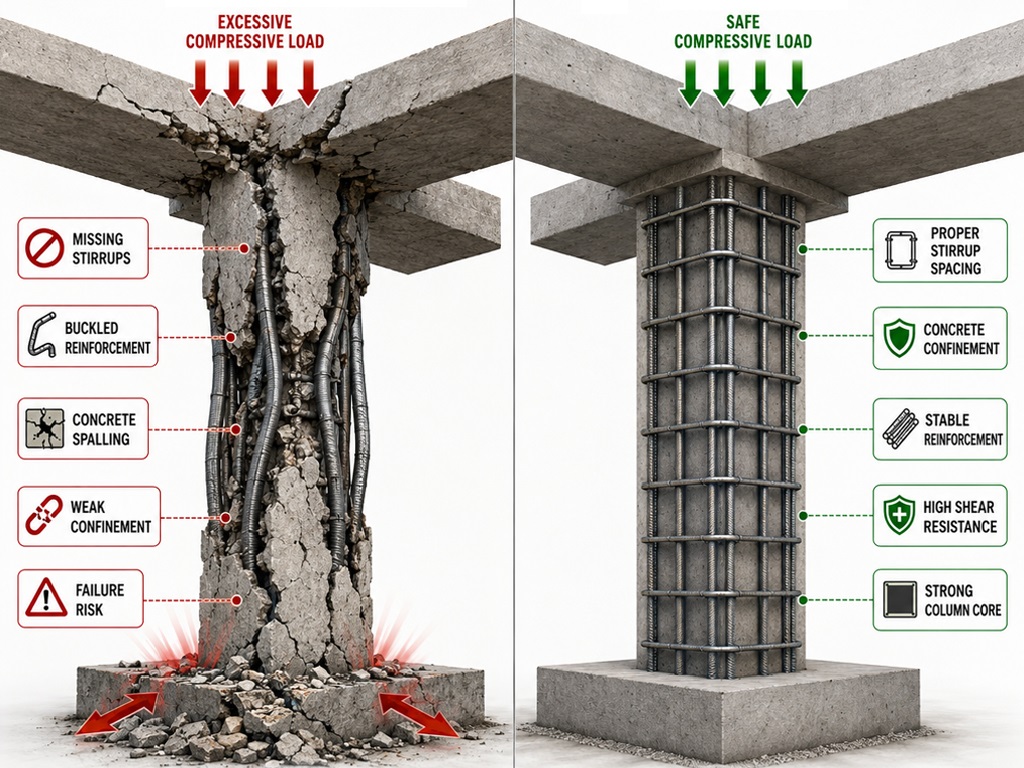
Confinement is the restriction of concrete using reinforcement, such as steel ties or spirals. It improves concrete strength, ductility, and resistance to cracking or failure under high compression.
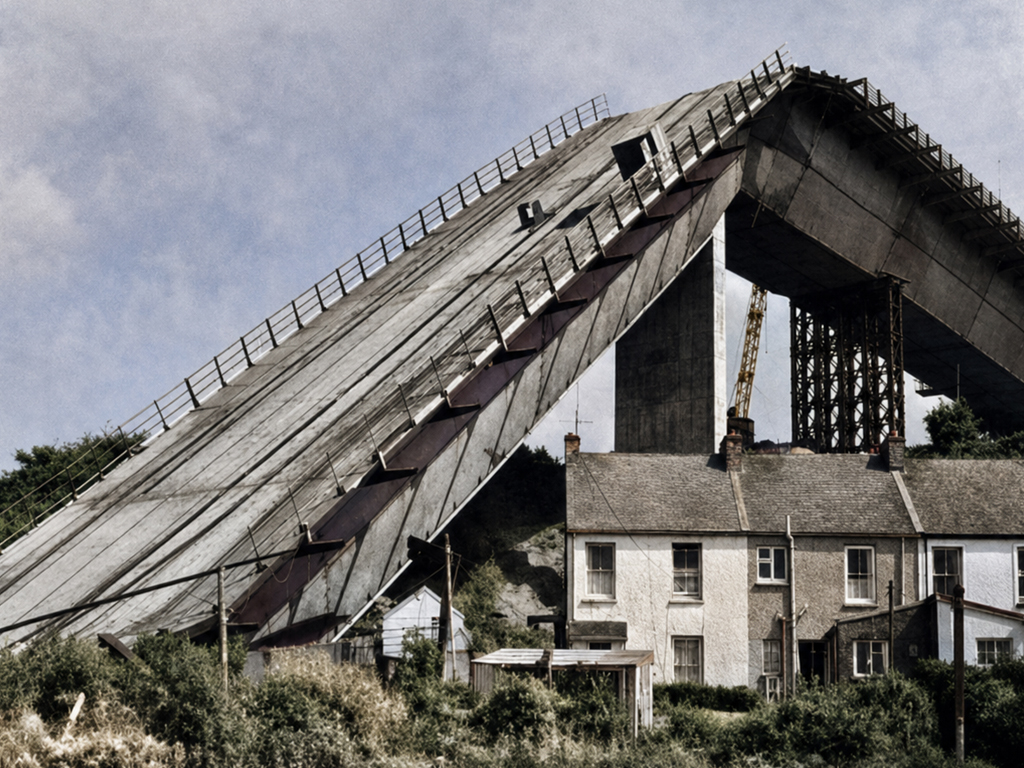
The Cleddau Bridge collapsed in 1970 during construction in Wales. The failure involved instability and buckling of the steel box-girder structure, highlighting serious weaknesses in design methods and construction procedures.
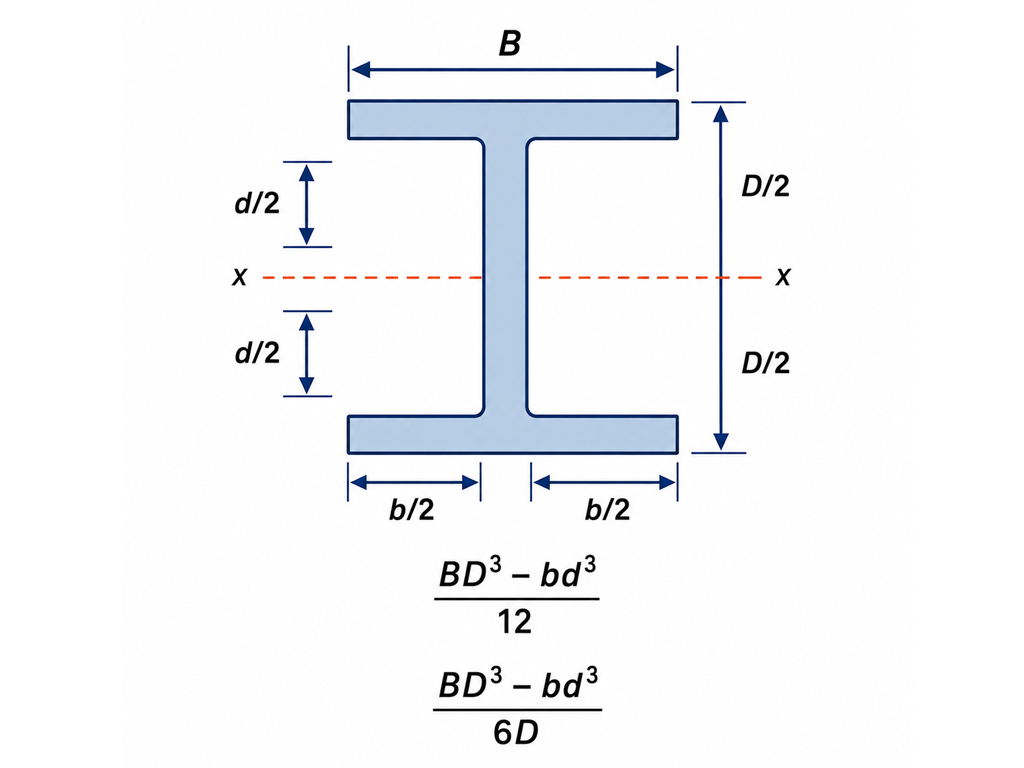
Section modulus measures a cross-section’s ability to resist bending stress. A larger section modulus generally means the structural member can withstand a greater bending moment before reaching its allowable stress.
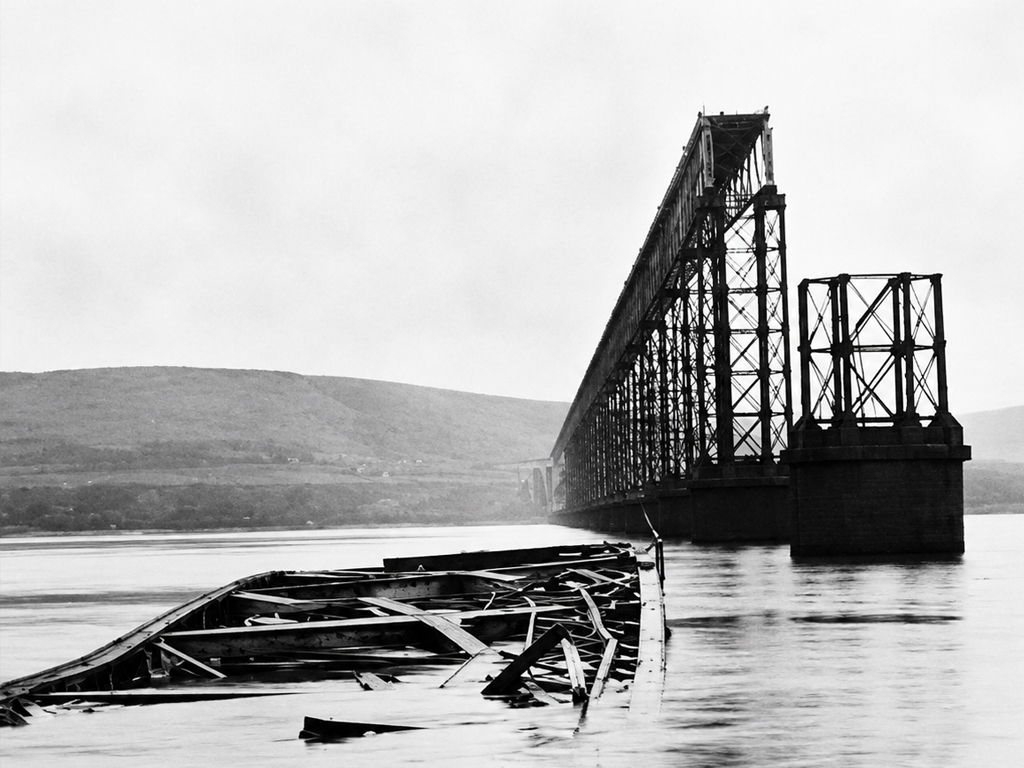
The Tay Bridge collapsed in 1879 during a severe storm while a train was crossing. The disaster exposed weaknesses in design, construction, materials and most importantly changed wind loadin considerations.
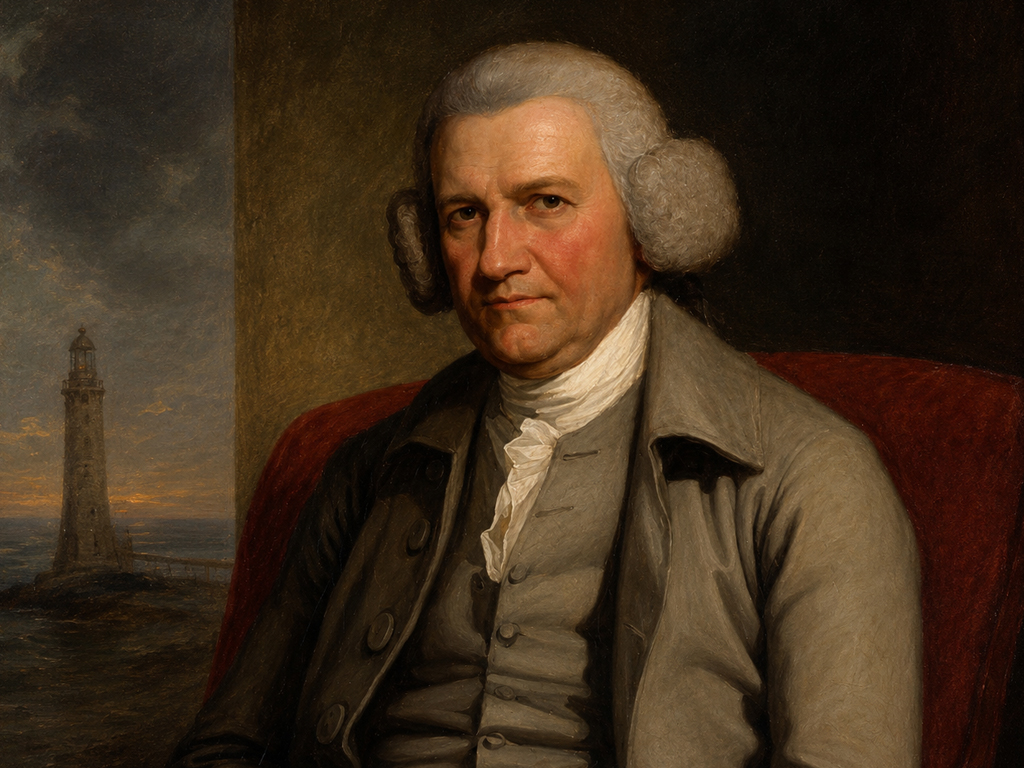
Often called the “father of civil engineering.” He is famous for designing the third Eddystone Lighthouse and for major work on bridges, canals, harbours and water engineering.
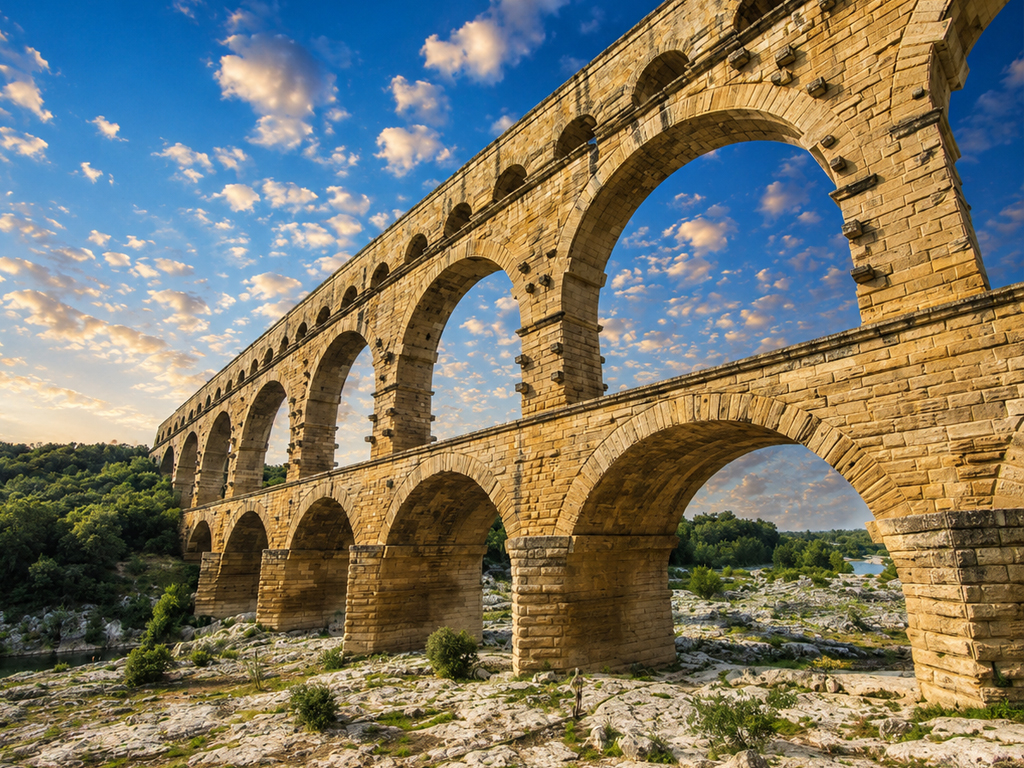
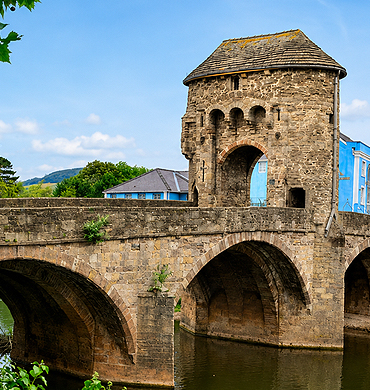
Explore the world’s oldest bridges still in use, from Roman stone arches to medieval crossings. Discover how remarkable engineering and resilient design kept them standing for centuries.
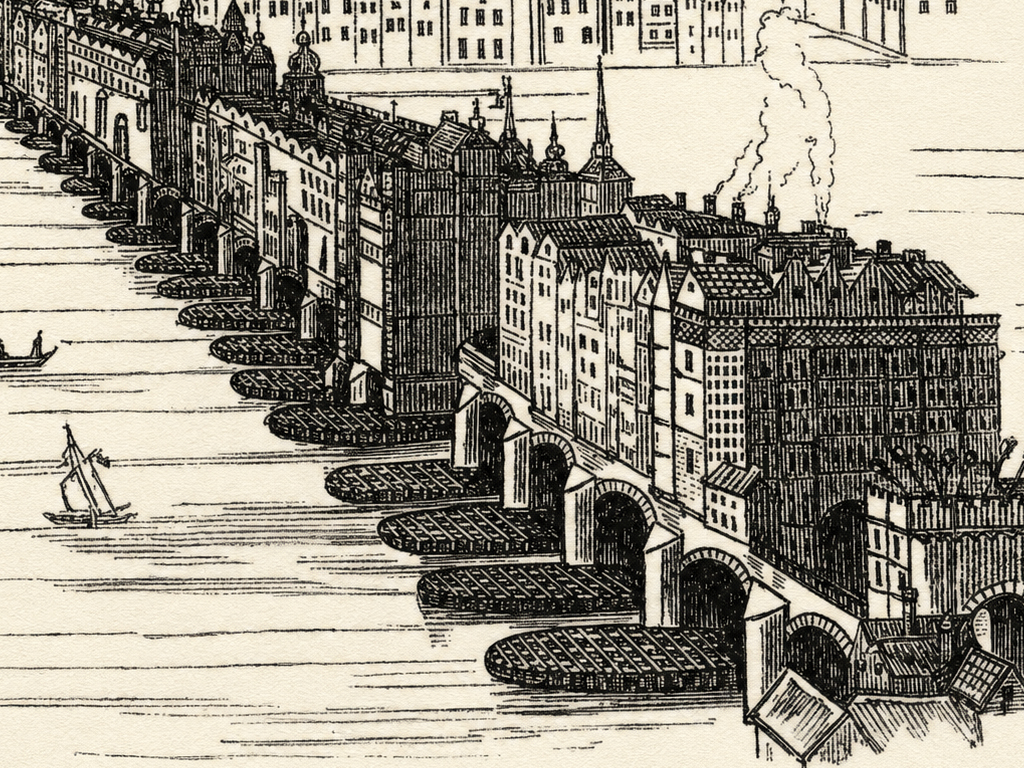
Discover when bridges functioned as bustling streets, packed with houses, shops and crowds. Medieval cities transformed river crossings into vibrant communities spaces above water.
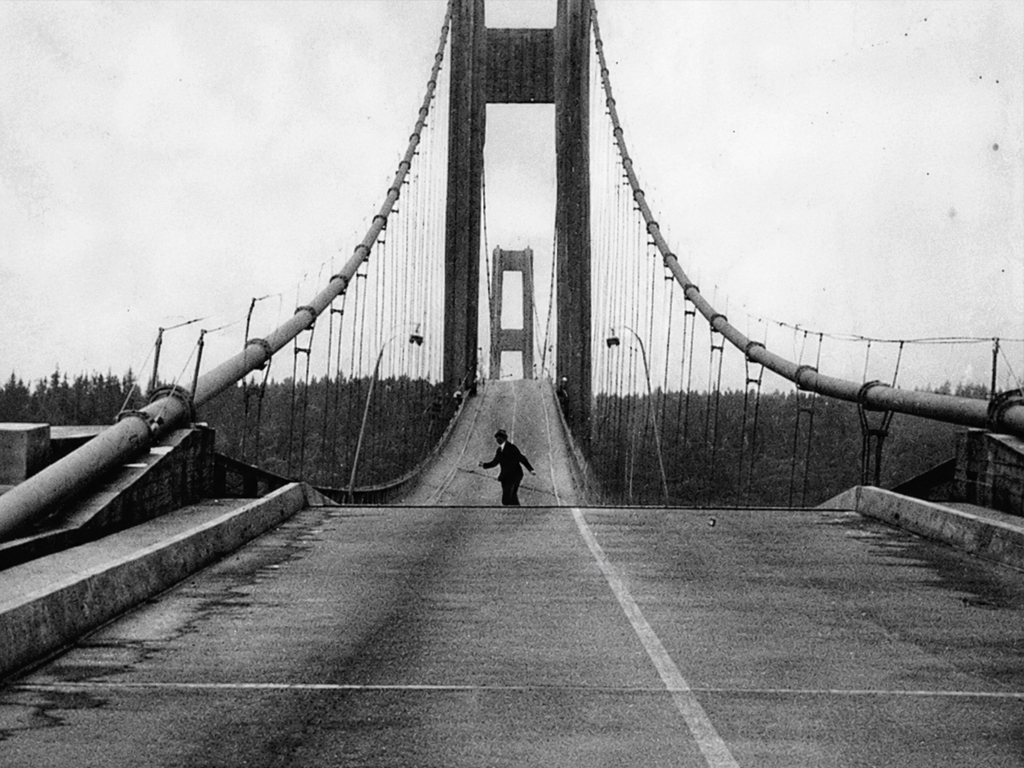
The Tacoma Narrows Bridge, nicknamed Galloping Gertie, collapsed in 1940 after wind caused severe twisting. Its failure transformed suspension bridge design, highlighting the importance of aerodynamic stability in winds.
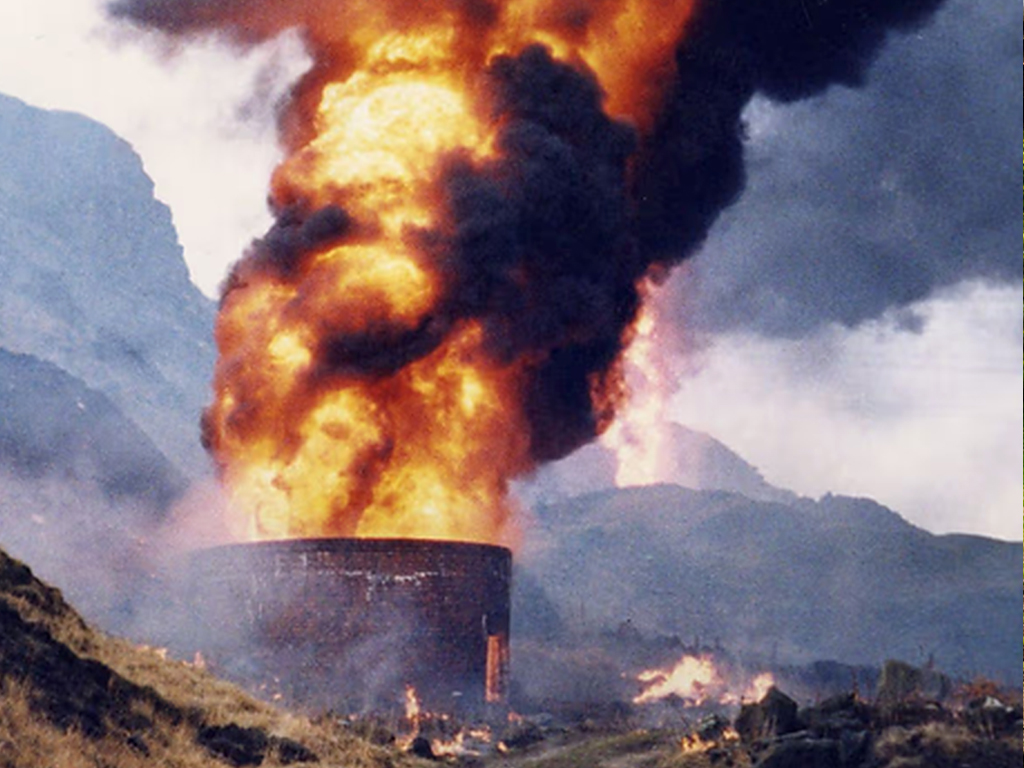
The Summit Tunnel fire occurred in 1984 when a freight train carrying petrol derailed after a defective bearing failed. The resulting blaze severely damaged the tunnel, but caused no deaths.
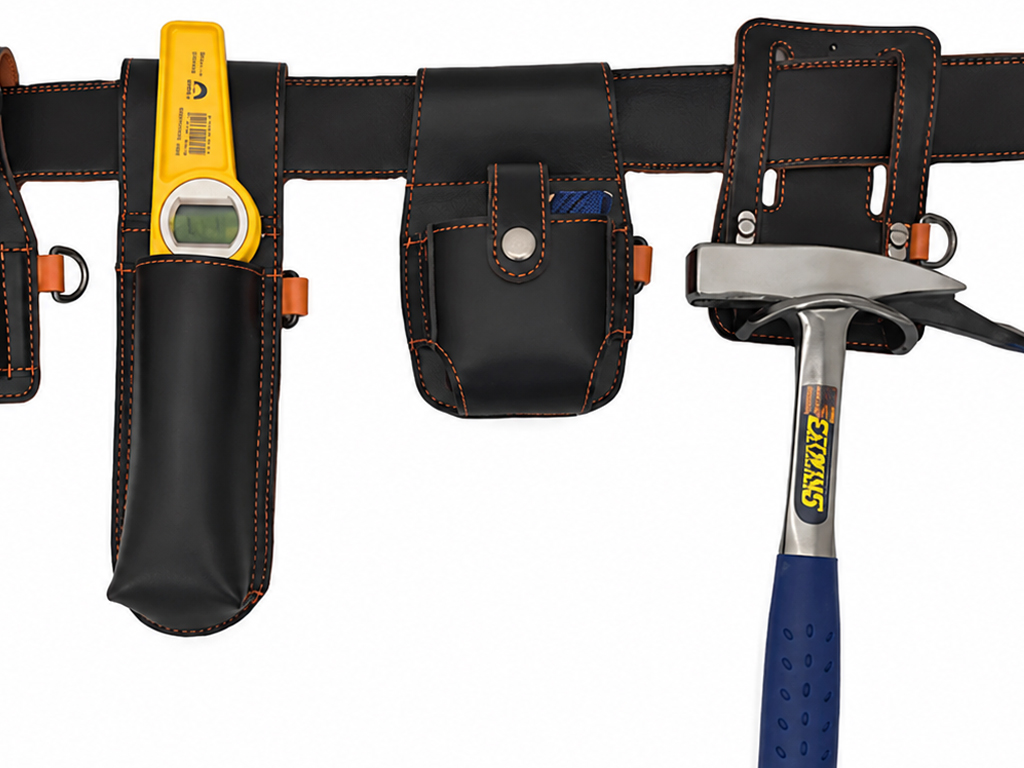
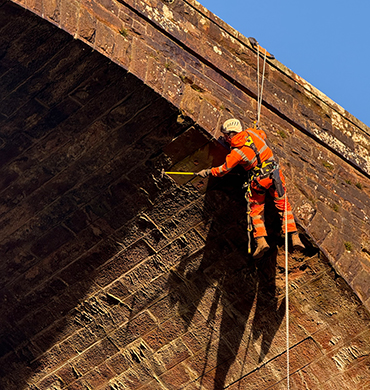
An essential bridge examiner kit includes PPE, torch, camera, measuring tools, crack gauge, hammer, binoculars, notebook and previous inspection records, helping examiners identify defects safely and accurately during inspections.
The BERG is an independent, collaborative resource project dedicated to bridge engineering, inspection, maintenance and history.
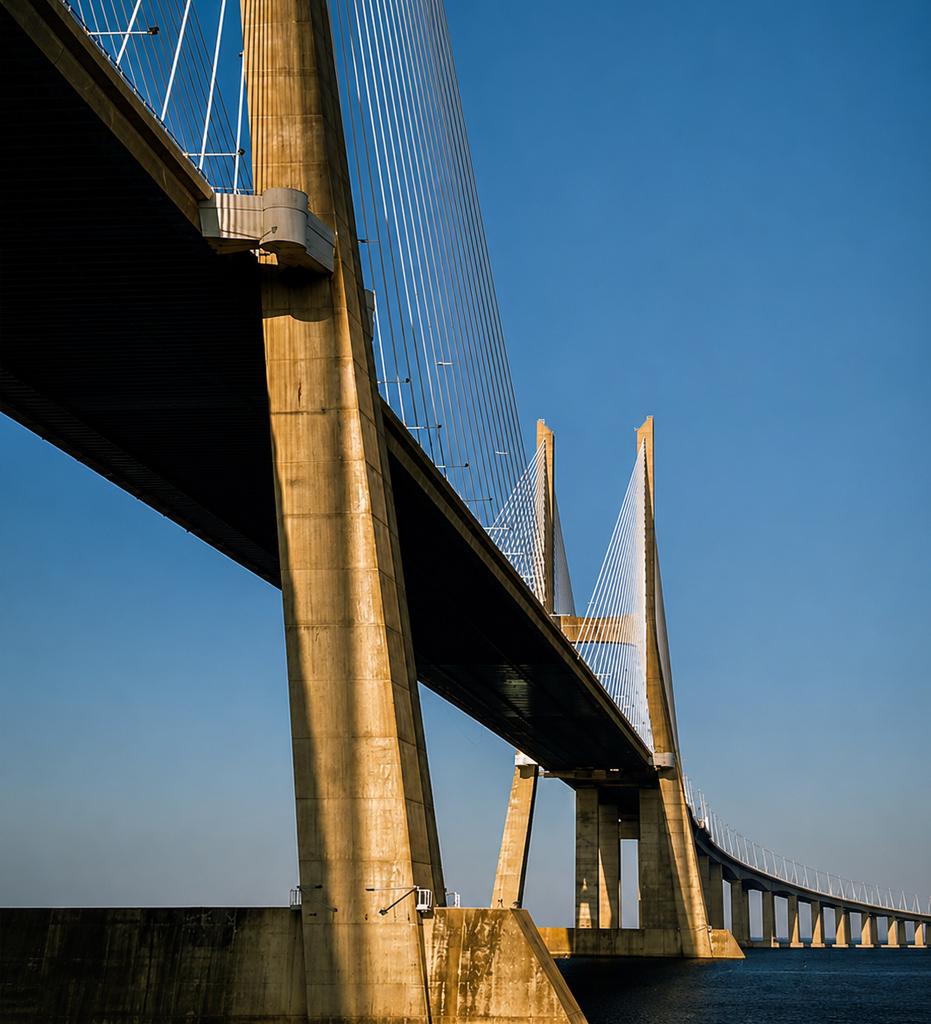
The project aims to bridge the gap between current research, recognised best practice and industry standards by presenting technical information in a clear and practical format.
It brings together engineering principles, professional guidance and lessons from real structures to support students, professionals and bridge enthusiasts.
Although independently developed, The BERG is intended to be collaborative. Contributions, technical
review and shared experience from engineers, inspectors, researchers, students, historians and other
bridge enthusiasts are welcomed.
The goal is to build a reliable and continually developing resource that supports learning, encourages discussion and promotes a better understanding of how bridges are designed, assessed, maintained and preserved.
We have been providing outstanding window solutions,
committed to exceptional service and quality.
Our windows are designed to enhance your home's
warmth,
energy efficiency, and style, making every room brighter and more comfortable.
Trust us to deliver the perfect fit for your home!
Your answers to our frequently asked questions.
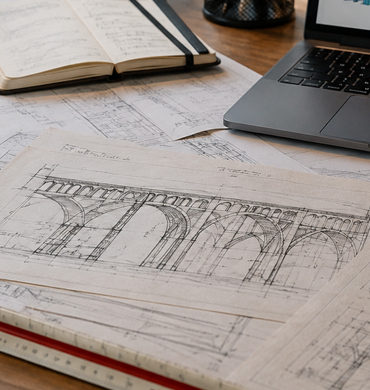
Practical articles and technical insights covering bridge design, inspection, assessment, deterioration, maintenance, repair, engineering history and current industry practice.
Windows
Learn how to prevent draughts, condensation and heat loss by maintaining and replacing worn and old window seals.

Sports
A simple guide to U-values under the building regulations. Explaining how they affect insulation, comfort and energy bills.

Entertainment
Common signs your windows need replacing, and when upgrading will improve comfort and reduce energy costs.